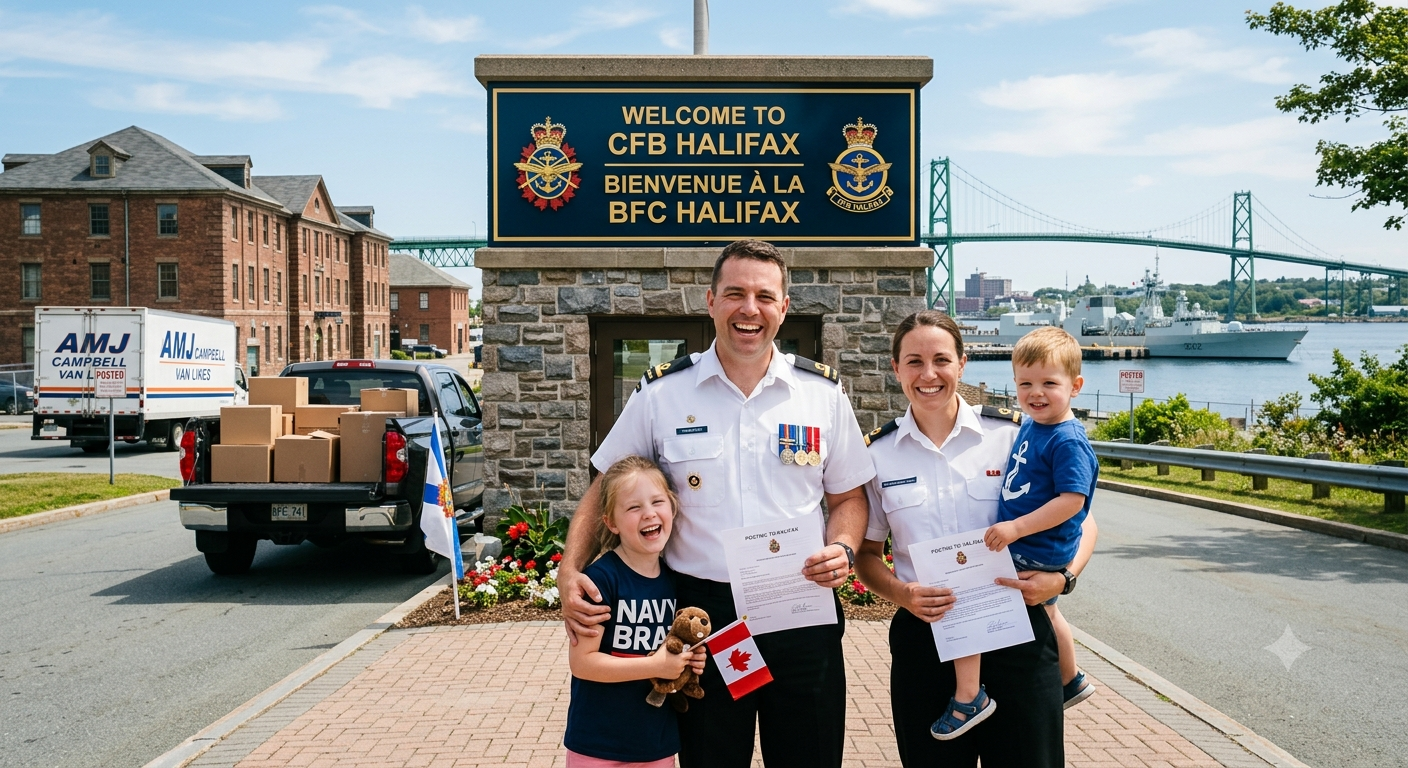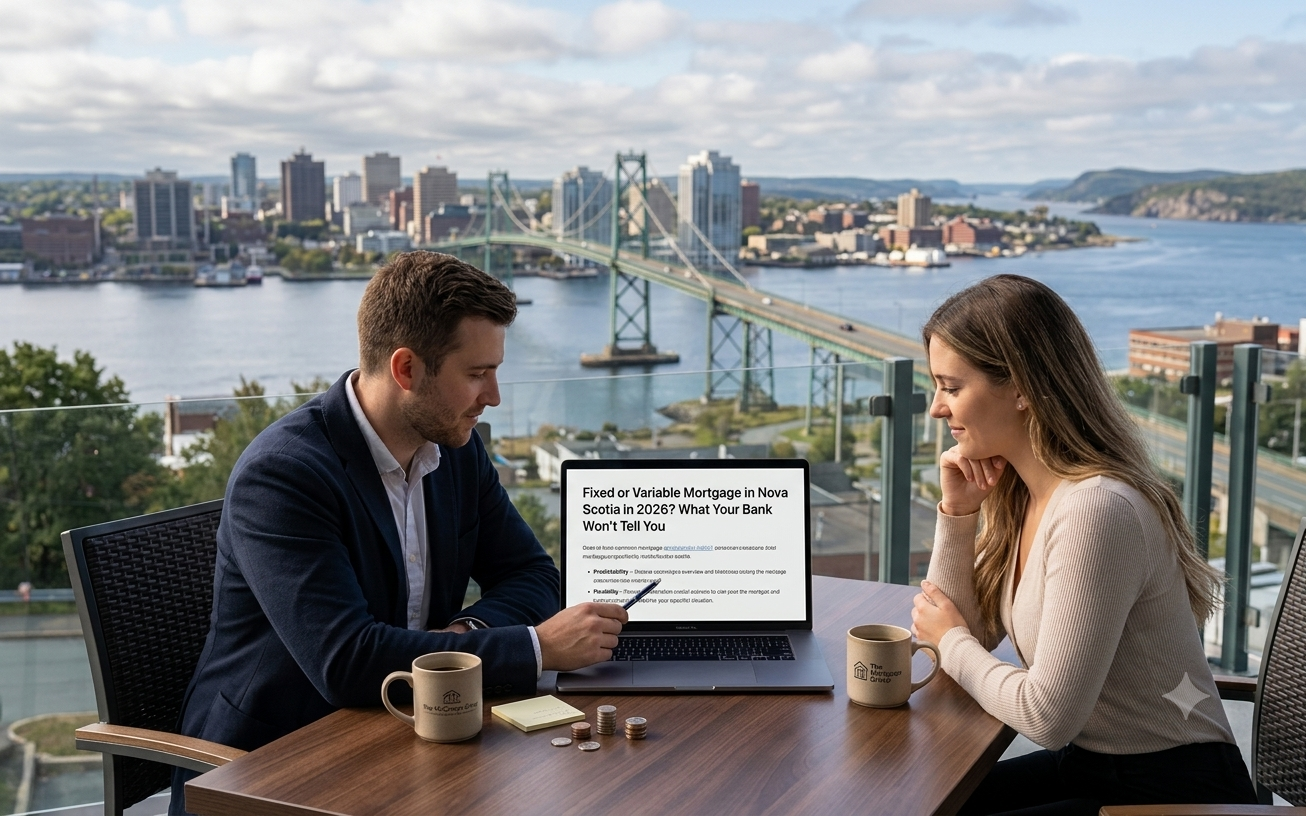
For many Americans, Nova Scotia represents something increasingly rare: coastal beauty, historic towns, real community, and a slower pace of life — all without sacrificing culture, food, or access to healthcare and infrastructure.
But buying property across an international border isn’t just a lifestyle decision. It’s a legal, financial, and logistical reset.
As of 2026, Americans looking to buy real estate in Nova Scotia face a very different environment than even a few years ago. Federal purchase restrictions, non-resident taxes, financing hurdles, and unfamiliar local rules mean that well-intentioned buyers can make expensive mistakes without the right guidance.
This article is designed to give you a clear, honest overview of what American buyers need to know before starting their Nova Scotia home search.
First: Understanding the Foreign Buyer Ban
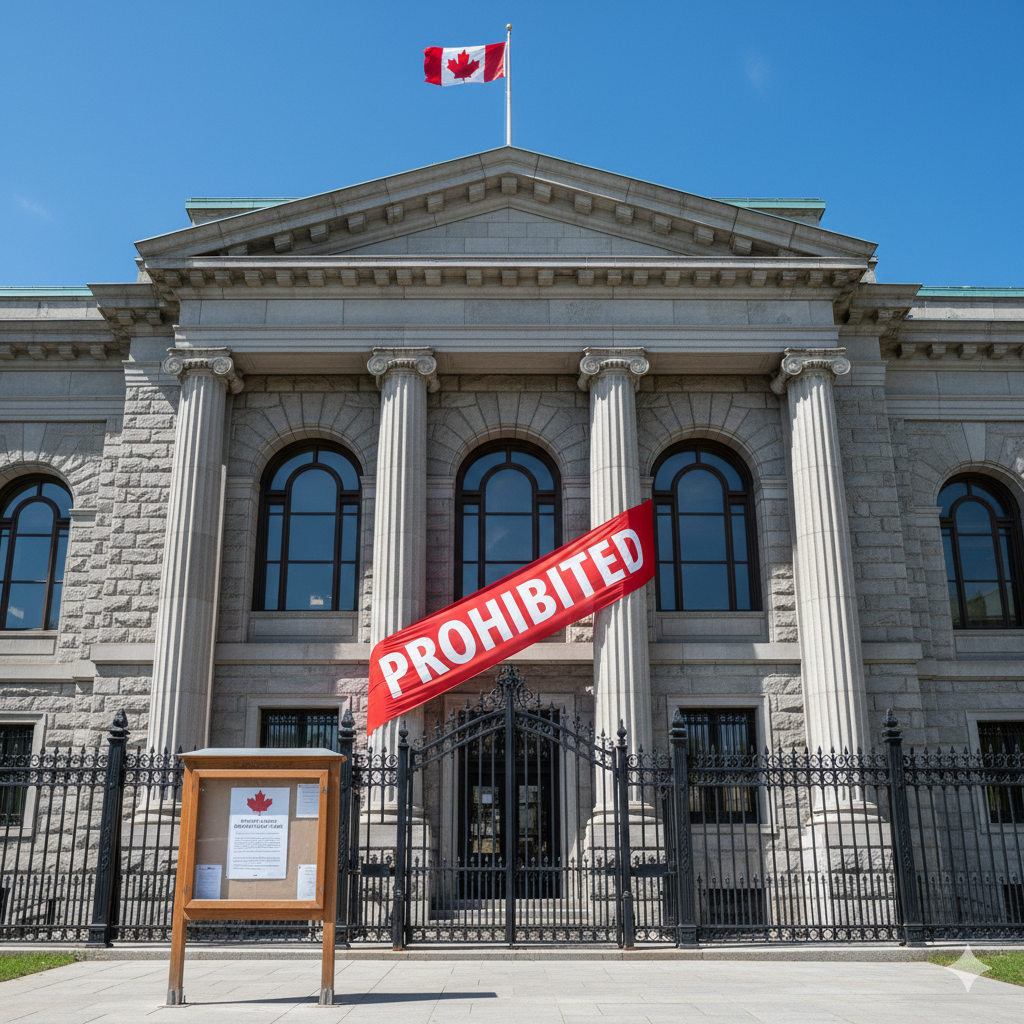
The single most important factor for American buyers is Canada’s Prohibition on the Purchase of Residential Property by Non-Canadians Act, which has been extended through January 1, 2027.
In simple terms:
-
Non-Canadians cannot buy residential property (defined as buildings with three units or fewer)
-
The ban applies primarily to Census Metropolitan Areas (CMAs) and large Census Agglomerations (CAs)
What This Means in Practice
If you’re looking at:
-
Halifax
-
Dartmouth
-
Bedford
-
Sackville
-
Cole Harbour
-
Most suburban and urban areas
You are legally barred from purchasing unless you qualify for an exemption.
The Key Exemption
Americans with a valid Canadian work permit (with at least 183 days remaining) or permanent residency may still be eligible to buy in restricted areas.
For everyone else, the opportunity lies outside these zones — and that’s where Nova Scotia still shines.
Where Americans Can Buy: Rural & Exempt Markets
Properties outside CMAs and major CAs are currently exempt from the foreign buyer ban. These areas have become the primary focus for American second-home buyers, retirees, and long-term planners.
The South Shore
Chester, Mahone Bay, Lunenburg
-
One of Nova Scotia’s most established coastal regions
-
Deep-water access, sailing culture, and refined communities
-
Internationally recognized, yet understated
-
A top choice for buyers seeking legacy coastal property
The Annapolis Valley
Wolfville, Kentville, Port Williams
-
Nova Scotia’s wine and agricultural heartland
-
Warmer micro-climate and strong year-round community
-
University influence, walkability, and cultural depth
-
Ideal for buyers who value rhythm over rush
The Eastern Shore
Sheet Harbour, Tangier, Spry Bay
-
Vast, rugged oceanfront parcels
-
Minimal development pressure
-
Lower entry prices with long-term upside
-
Best for buyers who value land, privacy, and scale over convenience
Taxes: The “Welcome” Costs You Must Budget For
If you qualify to buy in a restricted area — or eventually become a resident — Nova Scotia has some of the highest transaction taxes in North America.
Here’s what American buyers need to understand:
-
Municipal Deed Transfer Tax (HRM): 1.5%
-
Provincial Non-Resident Deed Transfer Tax: 10%
On a $600,000 purchase, that’s $69,000 in land transfer taxes alone.
The Refund Path
If you become a full-time Nova Scotia resident within six months, you may apply for a refund of the 10% provincial portion. Timing and documentation matter — this is not automatic.

Financing Reality: The 35% Rule
Canadian banks view non-residents as higher risk.
For most American buyers living abroad:
-
Expect 35% down payment
-
Funds must be verified, seasoned, and held in a Canadian account
-
You must pass Canada’s mortgage “stress test,” qualifying at a higher rate than your actual mortgage
Also important:
-
Canadian mortgages don’t lock for 30 years
-
Rates reset every 3–5 years at renewal
If you are immigrating, hold permanent residency, or have a Canadian job, lending options improve significantly — including access to “New to Canada” mortgage programs.
A Hidden Cost Many Americans Miss: Property Tax Reset
Nova Scotia uses a Capped Assessment system to protect long-term residents from sharp tax increases.
Here’s the catch:
-
When a property sells, the cap is removed
-
Taxes reset to the full market value
This can cause property taxes to double or triple after purchase.
Always ask for the “Uncapped Assessment” before making an offer so you understand your true monthly costs.
Legal Differences You Should Know
In Nova Scotia:
-
You use a real estate lawyer, not a title company
-
Lawyer review clauses are essential
-
Once conditions are waived, you are fully committed — backing out can result in loss of deposit and legal action
Your legal team plays a much larger role than most American buyers expect.

Living Costs & Lifestyle Adjustments
A few practical realities to plan for:
-
Many older homes still use oil heat (heat pumps are now the preferred upgrade)
-
Nova Scotia has a 15% HST, applied to most services
-
Newcomers often face a 90-day wait before public healthcare begins
-
Private medical insurance is essential during the transition period
The Bottom Line
Buying a home in Nova Scotia as an American is absolutely possible — but it is not casual.
The most successful buyers:
-
Understand where they can legally buy
-
Budget accurately for taxes and financing
-
Choose the right region for their lifestyle and long-term goals
-
Build a strong local team early
Ready to Start Your Nova Scotia Search?
We specialize in helping American and international buyers navigate the complexities of the Nova Scotia market — from exempt rural properties to work-permit purchases and long-term planning strategies.
If you’re considering a move, a second home, or simply want clarity before taking the next step, we’re happy to help you make informed decisions with confidence.
Ready to Take the Next Step?
Buying in Nova Scotia as an American requires the right strategy, the right timing, and the right local team.
We specialize in helping U.S. and international buyers navigate foreign buyer rules, exempt rural markets, financing realities, and cross-border logistics — so your move is informed, compliant, and stress-free.
Keep Reading
More Resources From
The McCooeye Group