Every fall I have the same conversation with buyers at least a dozen times. We’re standing in a basement in Enfield, Dartmouth oLantz, and someone points at the furnace or the oil tank and asks, “Is that okay?” It’s the right question, and in Nova Scotia it matters more than most people expect. The heating system affects your comfort, your monthly budget, and whether you can get home insurance at all.
If you’re buying between now and the new year, here is what I check, and what I’d want you to ask about, before you firm up an offer.
Why Heating Deserves Extra Attention in the Fall
In the spring, a buyer can live with a heating question for a few months while they sort it out. In October or November, you’ll be relying on that system within weeks of getting your keys. Contractors also get busy once the cold arrives, so a replacement you didn’t plan for can mean waiting, paying a premium, or running space heaters in the meantime.
The good news: most heating surprises are avoidable if you ask the right questions during your conditional period.
Oil Tanks: The Insurance Question Most Buyers Don’t See Coming
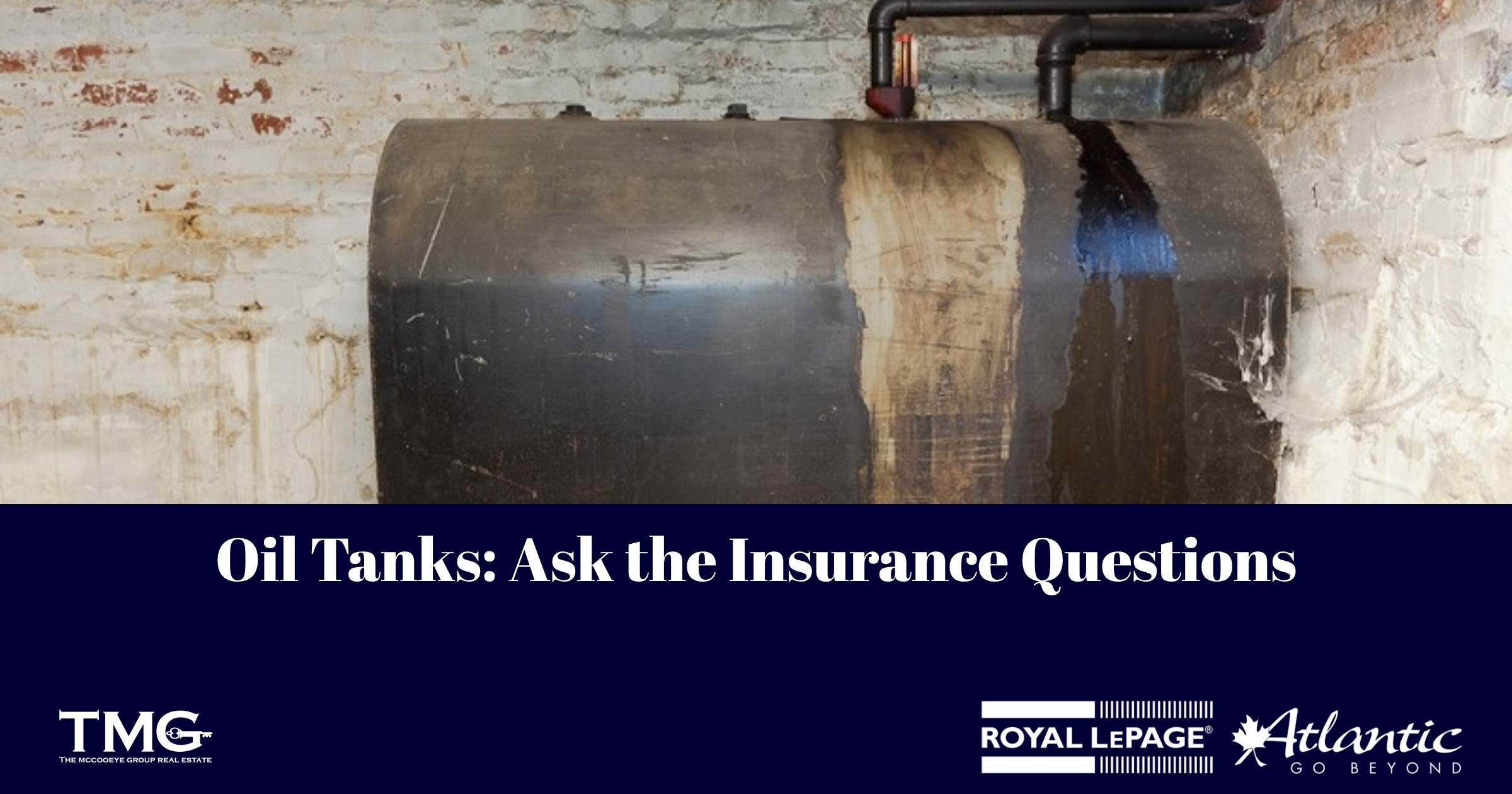
Plenty of homes across HRM and East Hants still heat with oil, either as the main source or as backup to a heat pump. Here’s the part that catches people off guard.
Nova Scotia’s fuel safety rules don’t force you to replace a tank just because of its age, as long as it’s properly installed and not leaking. Insurers, however, set their own standards, and many in Atlantic Canada won’t cover a home with an older tank. The cut-off depends on the company and the type of tank (single- or double-wall, indoor or outdoor), and older outdoor single-wall tanks are usually the hardest to insure. If the tank is past what your insurer will accept, they may require a replacement or an inspection before they’ll issue a policy. And without insurance, your lender won’t fund the mortgage.
What to do:
- Find the tank’s date. Most tanks have a manufacturer’s plate showing the year. Ask the sellers for any installation or replacement records.
- Call your insurer early. Before your conditions come off, give your broker the tank’s age, type and location, and get a clear answer in writing.
- Negotiate if needed. If the tank needs to go, that’s a fair topic for negotiation: replacement before closing, or a price adjustment.
- Ask about old or buried tanks. If the home has changed heating systems over the years, ask what happened to the old tank. An abandoned tank, especially an underground one, is worth sorting out properly before closing.
Heat Pumps: Great, But Ask a Few Questions
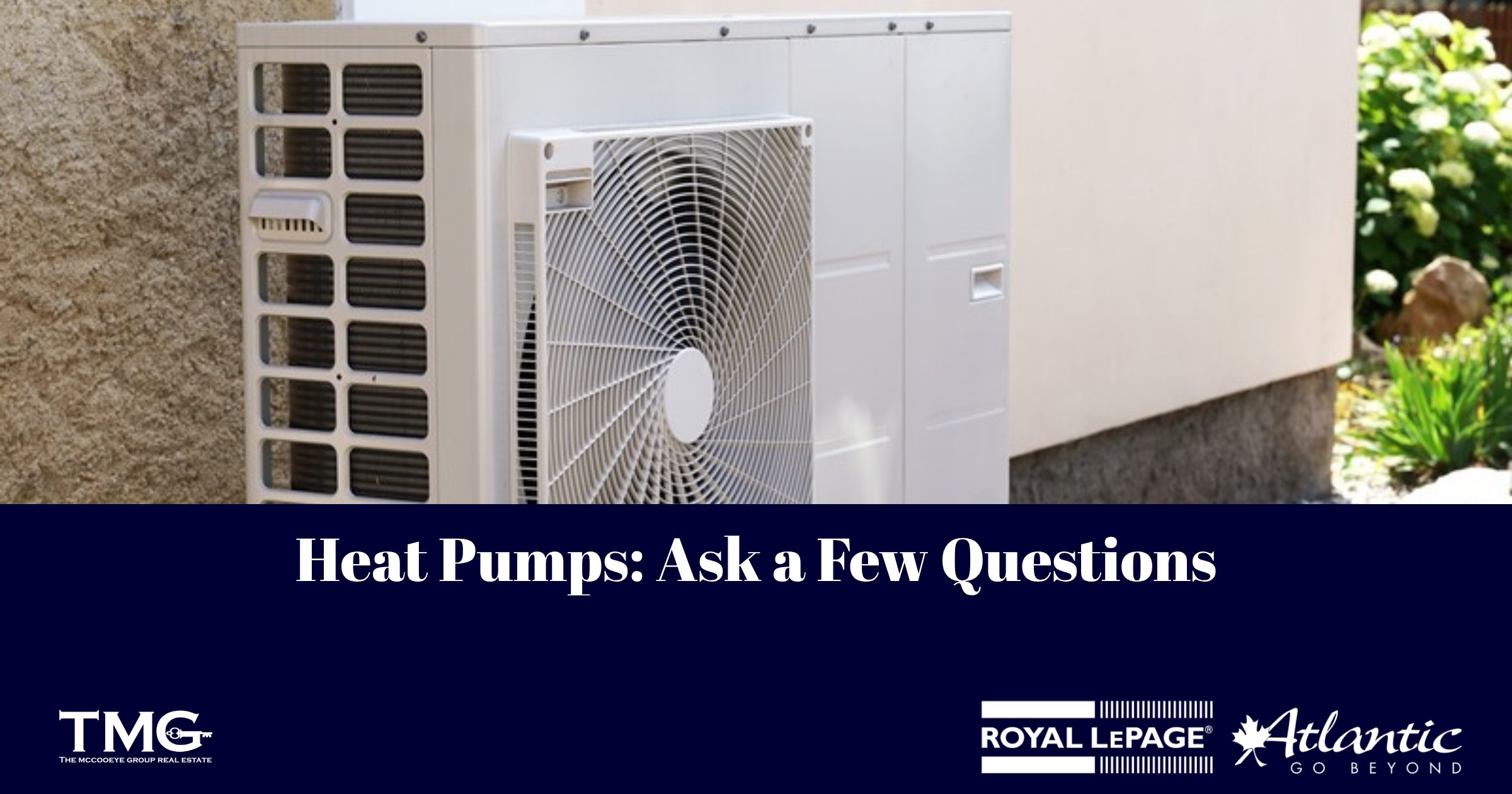
Mini-split and ducted heat pumps are now common across our area, and many buyers have one on their wish list. They can be very efficient, but a heat pump is only as good as its installation and upkeep. Questions worth asking:
- How old is the unit, and is any manufacturer warranty still active and transferable?
- Has it been serviced regularly? Ask for receipts if the sellers have them.
- Is it a cold-climate model, and does it heat the whole home or just the main living area?
- What’s the backup heat for the coldest days: baseboards, oil, propane, or a wood stove?
A note on rebates: heat pump incentive programs in Nova Scotia have changed a lot over the past year, and some have closed to new applicants. If you plan to add or upgrade a heat pump after you move in, check Efficiency Nova Scotia’s website for what’s available now rather than counting on a rebate you heard about last year.
Wood Stoves and Other Fuel-Burning Appliances
Wood stoves and inserts are popular in East Hants and rural HRM, and insurers pay close attention to them too. Many will want proof the stove was installed properly, often a WETT inspection. If the sellers don’t have the paperwork, build time for an inspection into your conditions.
Ask for the Heating Costs
Ask the sellers for their heating costs over the past 12 months: oil deliveries, propane, power bills, wood. It’s one of the most useful numbers you can get, because it tells you what the home actually costs to run. Keep in mind their habits may differ from yours, so treat it as a guide rather than a guarantee.
Use Your Conditional Period Well
All of this fits into the normal conditions on an offer: home inspection, insurance and financing. Your home inspector will look at the heating system, but they aren’t your insurer. Getting an insurance answer before your conditions come off is the step I see skipped most often, and it’s the one that causes the most stress near closing.
Let’s Talk Before the Snow Flies
If you’re thinking about buying this fall or winter, I’m happy to walk you through what to look for in the homes you’re considering, from the basement to the paperwork. Reach out to me or anyone on The McCooeye Group team, and let’s make sure your new home is warm, insured and ready for winter.
By Don McCooeye, CD, BA, MA, SRES, CIPS | Royal LePage Atlantic
Helpful links: Our buyers’ guide · Efficiency Nova Scotia
Keep Reading
More Resources From
The McCooeye Group